Church of Saint Theodore of Vršac
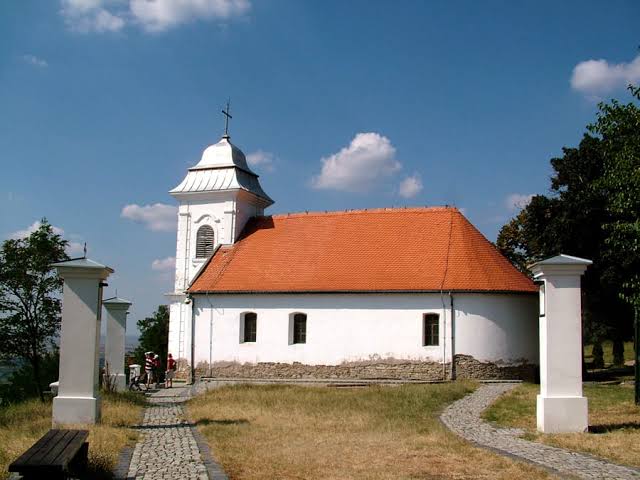
The Church of Saint Theodore of Vršac, located on the slopes of the Vršac Hills, is dedicated to one of the most important saints in the city's history. Saint Theodore, Bishop of Vršac, is remembered for his role in the Banat Uprising against Ottoman rule in 1594 and his subsequent martyrdom. The church is an important place of Orthodox spirituality and remembrance of Banat's turbulent past. Surrounded by the natural beauty of the Vršac Mountains, it offers visitors an opportunity to discover local history, enjoy a peaceful atmosphere and explore the region's spiritual heritage.
The story of this place
On the slopes of the Vršac Hills, surrounded by the natural beauty of the Vršac Mountains, stands the Church of Saint Theodore of Vršac, an Orthodox place of worship dedicated to one of the most significant saints associated with the history of Vršac and Banat. The church bears the name of Saint Theodore of Vršac, a bishop and hieromartyr remembered for his courage, spiritual perseverance and martyrdom during the struggle against Ottoman rule in the late 16th century. Saint Theodore of Vršac – Bishop and Martyr Saint Theodore served as the Orthodox Bishop of Vršac in the second half of the 16th century, when Banat was under Ottoman administration. His name is closely associated with the Banat Uprising of 1594, an important attempt by the local Christian population to resist Ottoman rule. According to Orthodox tradition, Bishop Theodore provided spiritual support to the rebels and helped unite the local population. Following the suppression of the uprising, he was captured and executed by the Ottoman authorities. Within the Orthodox tradition, he is revered as a hieromartyr and a symbol of faith, courage and perseverance. The Serbian Orthodox Church commemorates Saint Theodore of Vršac on 29 May, corresponding to 16 May in the Julian calendar. The Banat Uprising of 1594 The Banat Uprising is an important event in the history of the Serbian population of the region. It took place during a period of prolonged conflict between the Ottoman Empire and the Habsburg Monarchy, when local communities sought to take advantage of the wider war to free themselves from Ottoman rule. The rebels were active throughout Banat, with Vršac among the places closely associated with the uprising. In local historical memory and Orthodox tradition, the uprising remains strongly connected with Saint Theodore of Vršac, who is regarded as one of its spiritual leaders. Although the uprising was eventually suppressed, its legacy survived through oral traditions, religious customs and the cultural heritage of the region. A Church Dedicated to a Local Saint The Church of Saint Theodore of Vršac reflects the special reverence that the people of Vršac hold for their local saint. Unlike churches dedicated to saints venerated throughout the Christian world, this church honours a historical figure directly connected with the city's past. For this reason, it holds a distinctive place in the local religious and cultural identity. Its dedication recalls the events of the 16th century and highlights the importance of preserving historical memory through Orthodox tradition. The Natural Setting of the Vršac Hills One of the church's special features is its setting amid the natural landscape of the Vršac Hills. The Vršac Mountains rise above the vast Banat Plain and are among the most recognisable natural landmarks in this part of Serbia. Woodland paths, greenery and peaceful surroundings make the area attractive for walking, relaxation and discovering the natural beauty of Vršac. A visit to the church can therefore combine an exploration of spiritual and historical heritage with outdoor recreation. The Spiritual and Cultural Heritage of Vršac Vršac is a town with a rich history shaped by different peoples and religious traditions, and Orthodox heritage forms an important part of its identity. The Church of Saint Theodore of Vršac belongs to this heritage, alongside the Cathedral of Saint Nicholas, the Bishop's Palace and the monasteries surrounding the town. It is particularly significant for connecting local history, the memory of the Banat Uprising and the veneration of a saint who became one of Vršac's spiritual symbols. Why Visit the Church of Saint Theodore of Vršac? Visiting the church offers an opportunity to discover a lesser-known but highly significant chapter of Banat's history. The site is particularly appealing to visitors interested in Orthodox traditions, the Banat Uprising and the life of Saint Theodore of Vršac. Its location on the Vršac Hills also makes it possible to combine the visit with a walk through nature and an exploration of other nearby landmarks, including Vršac Tower and the Chapel of the Holy Cross. The Church of Saint Theodore of Vršac brings together spirituality, historical remembrance and natural beauty, preserving the memory of one of Banat's most significant saints.
Photos
9 ukupnoFacilities and amenities
Amenities have not been added yet.
Reviews
How was your visit? Share your personal experience.
This place has no published reviews yet.
Questions and answers
Know something useful? Join in.
No published questions yet. Ask what you would like to know.
Explore more
Related categories for your next discovery.